
Can two politicians for and against Proportional Representation find common ground?
Introduction
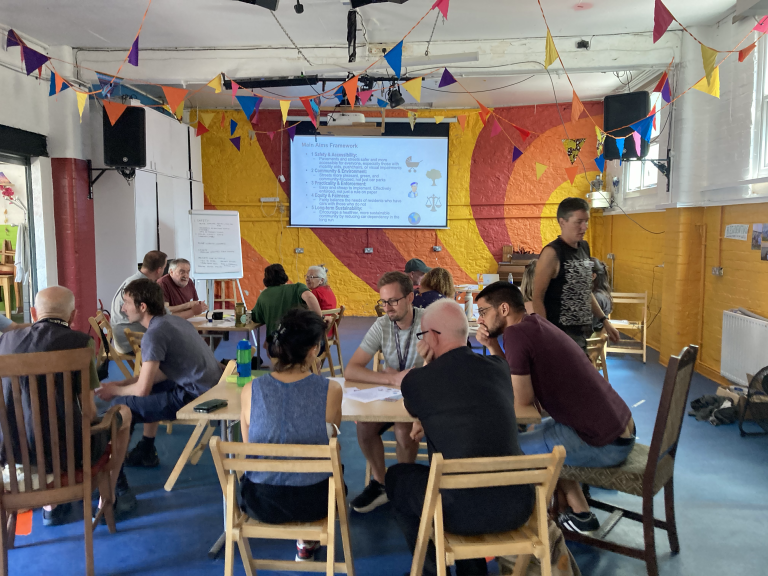
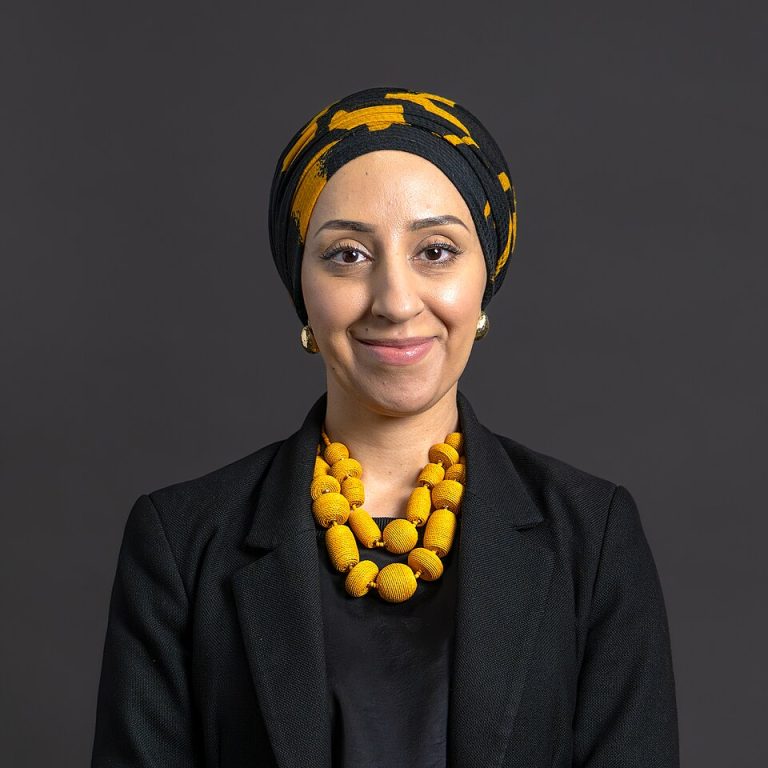
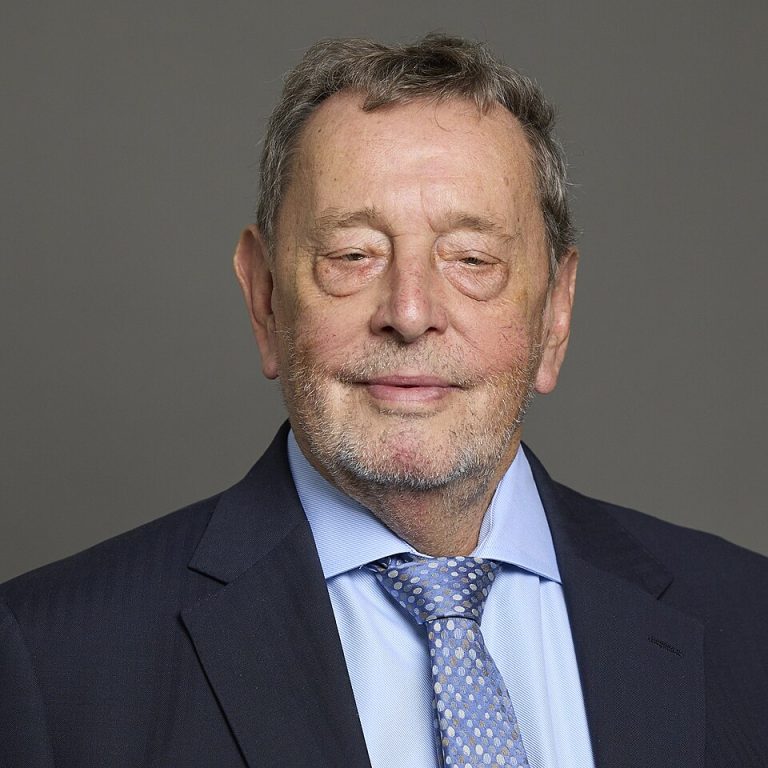
This was the subject of an online discussion on 1 October 2026 with two Sheffield Labour politicians: Abtisam Mohamed MP, who is a firm supporter of PR, and Labour peer Lord David Blunkett, who believes first past the post forms the basis of a system worth improving. It was organised by the Win-Win Alliance and Talk Shop in collaboration with Compass South Yorkshire. (More than sixty Compass supporters signed up for the event, most of them from South Yorkshire.) It was designed as an exploration of principled positions and a search for common ground rather than the traditional polarising contest. We asked the speakers to concentrate on aims and principles, where such common ground mostly lies, rather than particular voting systems, although inevitably these came up. It was also designed to be highly participative
Common ground on aims and principles
The top-level conclusion, very much shared by both speakers, was that parliament should reflect the will of the people. Both speakers agreed on several principles that contribute to this.
The first one was proposed by David who said: “My number one principle is that someone should be elected and held to account within a defined geographic constituency. In other words, people know who their MP is and who to hold to account and how to get rid of them.”
The next was the importance of educating people to be active citizens. Abtisam said that we need to “improve political education in schools so that people are equipped to use the vote, not just go in and vote for the strangest sounding name, which I did when I was first allowed to vote – I think I voted for the Monster Raving Loony party!”
A further theme was preserving the integrity of elections, both from foreign influence and from the influence of big money donors.
The big area of disagreement was that “every vote should count”, proposed by Abtisam but opposed by David. Here we could find no common ground in the short time we had.
The view of the audience
The audience contributed through a platform called Polis. Polis asks people to propose statements. It then asks them to rate all the statements: Agree; Disagree; Unsure/Don’t know. It uses those ratings to identify the statements that best represent common ground between different points of view. In a very short space of time, 37 people took part.
The statements that attracted most agreement were:
- People should be educated around why it is important to vote and how their vote counts
- A voting system should facilitate long-term political projects and cross-party collaboration
- Election campaigns should be held to the truth not skewed or biased or influenced by donors
Next steps
David said that “It would be right for the Commission on Electoral Reform to engage at local level across the country”. Abtisam reinforced that with “I want it to be not just political parties but local communities as well that have a say in this”.